
Thank you for Subscribing to Real Estate Business Review Weekly Brief

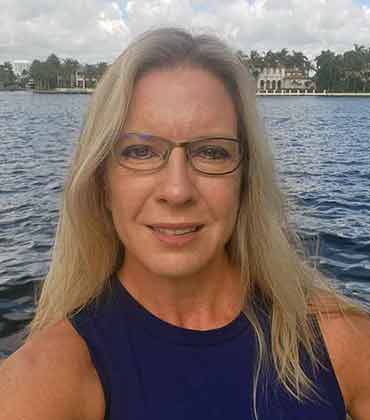 Lisa Ann Gray, General Manager
Resident expectations have changed significantly. Owners now expect the same responsiveness, convenience, and transparency they receive in other areas of life. They want faster communication, online access to documents, simple payment options, real-time updates, and clear follow-through. In today’s environment, communities want to feel informed and supported, not left guessing.
Therefore, management firms need to focus more on service, communication, and systems that improve resident experiences. When management fails to provide timely and accurate information to residents, misinformation fills the gap through social media. I experienced this firsthand during a major pool renovation project where delays caused uncertainty. During the evaluation process, communication was not frequent enough, and residents created their own narratives. By posting project updates in high-traffic areas, we corrected that. Face-to-face updates, open dialogue, and paper notices in common areas to reinforce key information are also powerful communication tools. Using different communication methods reduces misunderstandings. Residents in Fort Lauderdale were able to ask questions during "construction coffee breaks" during a recent rehabilitation project. You have to explain what an exterior building eyebrow is. But communities shouldn't lose their humanity. Every interaction should not feel overly automated. Communications are no longer secondary - they are essential.
The Most Important Projects Are Least Visible
Balancing visible priorities with long-term responsibility can be challenging. Landscaping, painting, amenities, and cosmetic improvements are appreciated by residents. Furthermore, many associations are faced with expensive structural repairs, aging infrastructure, insurance pressures, reserve funding needs, and deferred life-safety compliance projects.
The most important projects are often the least visible. Roof systems, plumbing, concrete restoration, drainage, and reserve contributions protect safety, property values, and long-term stability. Many owners consider these projects unnecessary at first. It is rarely worth spending money on saunas if the building still has unresolved fire code or life-safety violations. During long repair cycles, people sometimes need comfort, so smaller improvements can sometimes boost morale. The gym in a special assessment community was turned around first so residents could relax. It can be helpful to residents to see small improvements while major work is being done.
Additionally, structural and recertification work can disrupt normal routines with noise, dust, restricted parking, blocked walkways, and limited access areas while underway. While projects are ongoing, investor owners may have difficulty renting units. Deferred decisions cost more. Understanding why decisions are made can reduce many challenges. It's important for boards and managers to communicate honestly, plan responsibly, and help residents understand that short-term inconvenience is often necessary.
Proactive Leadership Strengthens Teams and Residents
Proactive leadership is essential. If leadership is always reacting to problems after they arise, it is already behind. Strong communities are built when boards and management anticipate needs, communicate early, and address concerns before they become larger issues. Communities often judge leadership most during difficult moments, not easy ones.
Just as importantly, proactive leadership creates stronger internal teams. Management staff perform best when they feel supported, appreciated, and connected to shared goals. When I saw a team experiencing burnout, I introduced a simple wellness-themed incentive campaign that brought some humor into the workplace and renewed energy almost immediately. Sometimes leadership means knowing when people need encouragement as much as direction.
An integral part of proactive leadership is preventive maintenance. The benefits of regular maintenance far outweigh the pitfalls of large emergency expenses that could have been avoided. Many privately owned water heaters in one community had reached the end of their useful lives. Water damage losses averaged over $25,000 despite several proactive replacements costing $1,000 to $1,500. As a result, inspections, scheduled maintenance, and recommended replacement timelines were implemented. Leaders don't just set goals; they execute the small disciplines that produce results over time. Always reacting means you're already late. The best leaders are visible, steady, team-focused, and solutions-oriented.
Technology Drives Efficiency, Relationships Define Success
Artificial intelligence and automation will be major drivers of change. Routine tasks such as work order tracking, document management, collections follow-up, scheduling, and standard communications can be handled more efficiently through smart systems. This improves consistency and frees management teams to focus on higher-value responsibilities.
-
Always reacting means you're already late. The best leaders are visible, steady, team-focused, and solutions-oriented.
Relationships should not be replaced by technology, but strengthened. Automation can be reinvested in better resident communications, better planning, and faster problem-solving. It is important to recognize that not everyone embraces technology. I've hosted community forums so residents could explore portals, set notification preferences, and learn what tools are available. Others just needed help turning features on, while some wanted every alert. As well as walking residents through association websites, online payments, and account tools, I offer Zoom sessions. A short tutorial can often make someone feel seen while also improving collections. Individuals should be able to tailor technology to their own comfort level. Experienced leaders and genuine service will help firms succeed in the future.
Small Kindness Builds More Trust Than Notices
Build strong relationships. People perform best when they have reliable infrastructure behind them. Establish measurable standards, automate routine tasks, and create clear processes. Without clear communication, the work behind the scenes often goes unnoticed.
Investing in people is also critical. Leadership, tools, and recognition are the keys to team members' success. Organizations suffer if they don't place qualified, caring people in key roles and support them consistently. Moreover, I sat with residents of different ages and backgrounds to better understand their experiences with technology. Hearing, respecting, and including people create lasting value.
Also, leaders need constant, honest feedback loops to understand what is working and what is not. Input from the board, response times, and financial performance can provide feedback.
Never lose the human touch. Trust, empathy, and judgment are still needed. Accountability and kindness are key characteristics of the best leaders, as are efficiency and service. In well-managed communities, people feel proud to live there and still take time to help their neighbors.
